Showing posts with label Alcohol. Show all posts

Sunday, April 29, 2012

Duck Egg Zabaione

Zabaione is a traditional Italian dessert. It is also known as zabaglione, sabayon and sabajon. Basically, it's a very light and boozy version of a custard.


I have seen many versions of this dessert and almost all are very good. However, I find that the major distinction between most recipes is that some cook their zabaione and others do not. My version is cooked.


To make this dish, you will need a double-boiler. I like to use a small sauce pan with a stainless steel bowl that fits on top.

Fill the sauce pan with a small amount of water. You will need just enough water so that it will not touch the bottom of the stainless steel pan.

I find that the richer the egg, the better the custard turns out. To make a twist on the traditional recipe, I'm making my zabaione with fresh duck eggs. You really can't get richer eggs than that!


If you are in the Greater Toronto Area, you can find fresh duck eggs at the following grocery stores:


1) Yummy Market (4400 Dufferin St., North York, ON M3H 6A8)
2) Btrust Supermarket (1105 Wilson Ave., North York, ON M3M 1H2) 
3) Lucky Moose Food Mart (393 Dundas St. W., Toronto, ON M5T 1G6)


By the way, I found that all of the duck eggs sold at the above stores are sourced in Ontario.

When looking at duck eggs, you will notice that their shells tend to be slightly darker than those of white chicken eggs. Also, they tend to be slightly larger than large chicken eggs. (As seen below, the duck egg is on the left and the chicken egg is on the right.)

For this recipe, you will only require the egg yolks.

To the yolks, add 1 teaspoon of sugar per yolk.

Using a mixer, whip the two ingredients together until the yolks take on a bright colour.

Now it's time to add the alcohol. Pretty much, any type of alcohol will do. Also, almost any amount will do. Personally, I like to use a combination of Marsala and Port. For the quantity, I like to use the half egg shell for measuring. For the amount of egg yolks that I have used (five), I find that using approximately 1 to 2 half-egg shell, filled with liquor, is enough.

Add the desired amount of liquor to the bowl and mix thoroughly.

When you are ready, transfer the mixture to your double-boiler. At this point, you will need to stir consistently, so that your eggs do not curdle. To help me out, I like to use my immersion blender.


Also remember that you do not want your water come to a rolling boil. You just want enough steam heat the mixture.

After a few quick minutes, check the zabaione for thickness. Coat a wooden spoon with the zabaione. remove the spoon from the liquid and drag a finger across the spoon. If a clear path is left, the zabaione is ready. It will be ready when you are able to successfully do this test.


Your duck egg zabaione can be had hot or cold. You can enjoy it by itself or:
- with fruit
- accompanying cakes or pastries
- with whipped cream
- with chocolate
- etc.

Tuesday, April 5, 2011

Orange Apricot Quinoa Cake

For those of you who have read this blog before, you will understand that using quinoa flour can be quite beneficial, because of its high protein content and the fact that it is gluten-free. I have been able to create quinoa muffins successfully, but sadly, I haven't been able to use this flour much for anything else. (For my recipe for Protein-Packed Quinoa Muffins, click here.)


The difficulty lies with the slightly bitter taste of the quinoa flour. With the muffins, I tried to mask the flavour. This time, I decided to work with it in order to make an Orange Apricot Quinoa Cake. (Thank you L.M. for help with deciding the flavour combinations!)


To make the cake, gather the following dry ingredients together in a mixing bowl:
1 cup quinoa flour
1/2 cup white rice flour
1/4 cup fine corn flour (not cornmeal)
1/2 cup golden-brown sugar (packed)
1 teaspoon baking powder
1/2 teaspoon baking soda


Now it's time to work in the flavours. I decided to use cloves. You will only need four.


Simply use a mortar and pestle to grind them into a fine powder.


I also decided to use the zest of an orange. Make sure not to get any of the pith (the spongy, white section between the skin and the fruit), as it can add some unnecessary bitterness. Add the orange zest and ground cloves to the dry ingredients.


Complementary flavours can also be added when incorporating the wet ingredients. To do this, I decided to add the following:
1/4 cup Grand Marnier (an orange flavoured liquor)
2 heaping tablespoons of apricot jam


Dissolve the two together in a separate container before adding it to the mixture.


Now add the rest of the wet ingredients:
2 large eggs
1/3 cup olive oil
1 container PC "Just Apples" (100 mL crushed apples)


Combine the wet and dry ingredients together until it creates a smooth batter.


Place the cake batter into a greased cake tin and place it in a 350° F oven, for approximately 30 minutes, or until you can place a toothpick in the centre of cake and it comes out clean.


The cake should have risen and taken on a golden brown colour.


After letting it cool slightly, transfer it to a plate.


The combination of the colves, orange zest, Grand Marnier and apricot jam is incredible!


Next time, I hope to make two cakes, layer them on top of each other and  frost them with something equally as yummy. I just have to figure out a dairy-free topping that will work. I am open to suggestions!

Wednesday, March 9, 2011

Tequila Chicken

Contrary to popular belief, I do not spend my entire day in the kitchen. To further clarify, some days, I also get lazy. However, that does not mean that the food I make on those days has to taste bad. (There is no excuse for bad tasting food!)


For those days where you feel that you don't want to spend hours making a meal, here is my easy tequila chicken recipe.


I begin with pieces of chicken. Any part of the chicken will do. This time, I had some skinless, boneless breast pieces. They had been pre-cleaned, so there was no extra work. You can create this dish with large pieces of chicken, but I decided to cut them into bite-size pieces.


Next comes a of jar salsa. I like to use "medium", because I like the kick. In any case, I also like to use an authentic style of salsa, as these types usually contain no unnecessary ingredients or additives. So far, so good.

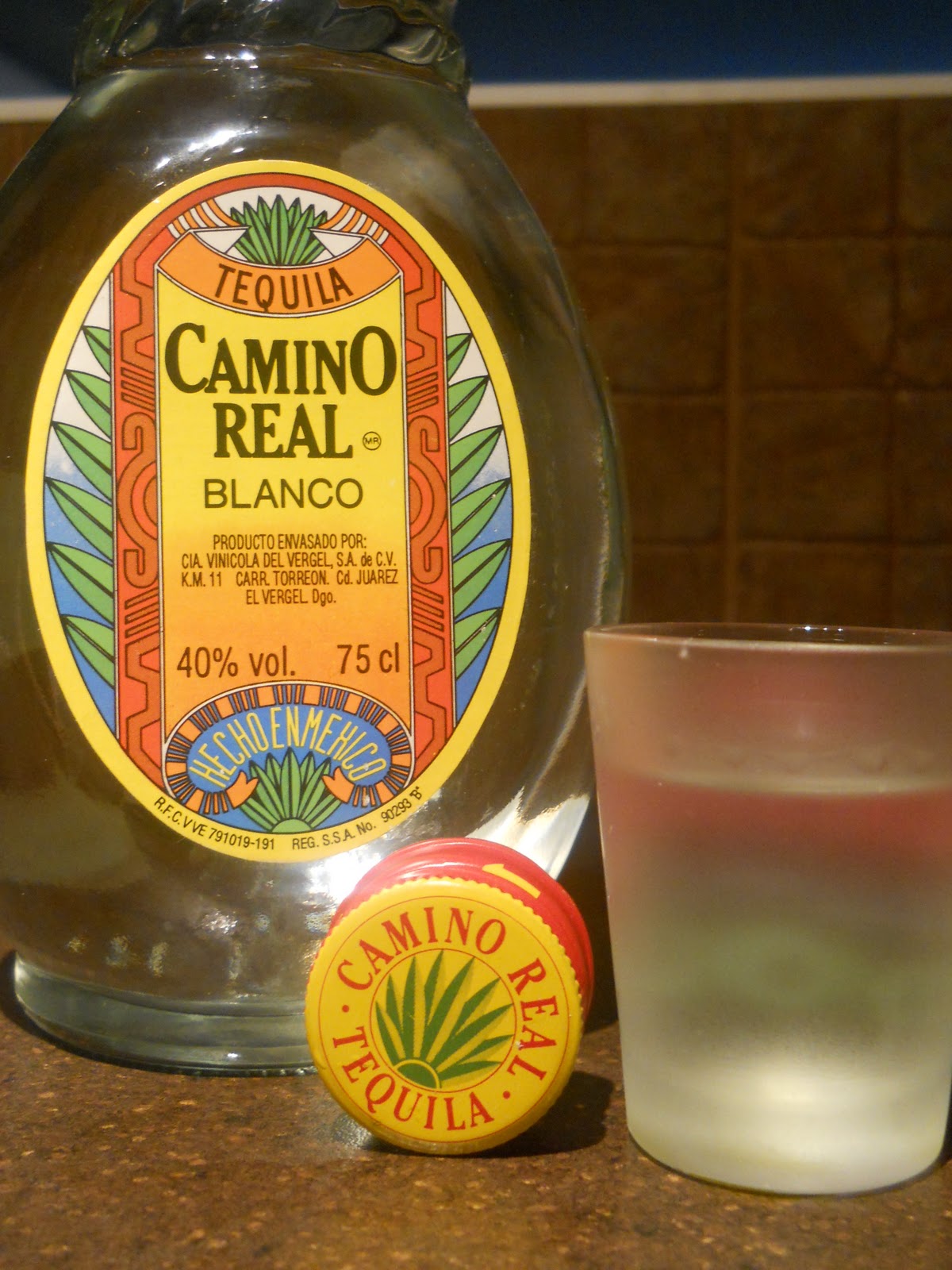
You can't have tequila chicken without the tequila! Generally, I add approximately one shot to the mix, but you could add more or less (depending on your taste and the amount of chicken you're making.) The tequila adds amazing flavour to the dish, while tenderizing the meat at the same time.

Simply add all of the ingredients to a pot, cover and simmer until the chicken is cooked. Just make sure to cover the chicken fully in the salsa. Depending on the thickness of the salsa, you may need to add some additional water. During the cooking process, the salsa will have turned into a thick and flavourful sauce.


Note: Always remember to cook your chicken thoroughly (to an internal temperature of 182°F). 

Serve the tequila chicken with:
- hard or soft tortillas 
- in wraps
- with rice, potatoes, pasta or any starch of your choice
- with spaghetti squash, as I did below (For my easy spaghetti squash recipe,  click here.)


Now there's an easy, quick and effortless dish!

Thursday, December 30, 2010

The Tale of the Unfortunate Ox

Ox tail is a meat delicacy that is savoured by people from Italy, the Caribbean and others. It is derived from the bony tails of cattle. As you can see below, the raw form has a nice combination of meat, bone and fat, which lends itself well for stewing.


One of my favourite ways to enjoy this meat is by preparing it in a spicy tomato sauce. This recipe is so simple, it's ridiculous.


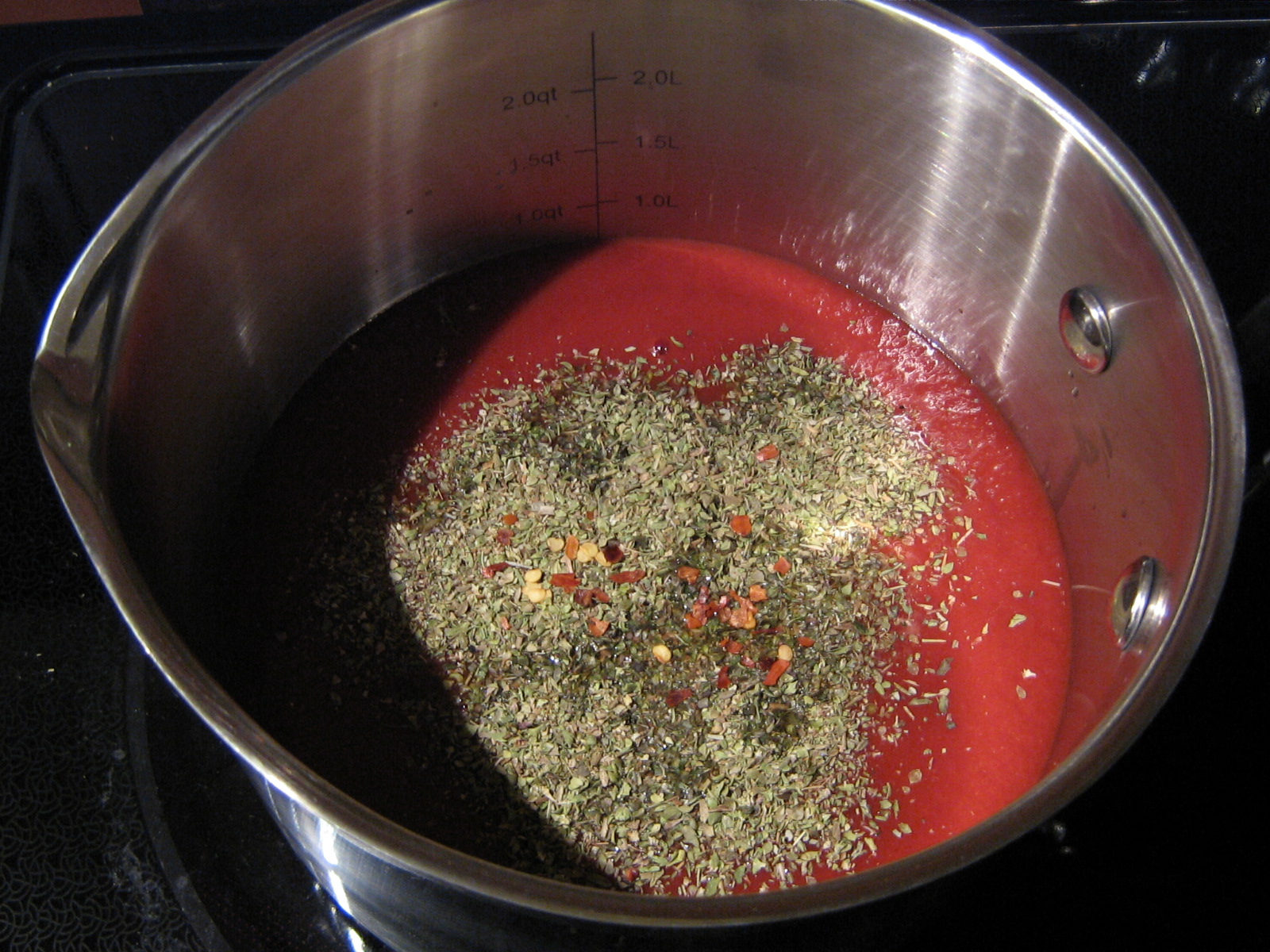
All you need to do is combine the following ingredients in a saucepan:
- puréed tomatoes (You can also use chunked tomatoes.)
- 2 tablespoons of oregano
- salt (to taste)
- hot pepper flakes
- 3 to 4 tablespoons of hot pepper vodka (You can also use regular vodka for this recipe. For my entry on how to make your own hot pepper vodka click here.)


Note: Garlic can be added optionally.


Give your mixture a quick stir and submerge the ox tail pieces within it. Simply cover your pot and let it slowly simmer for approximately one hour.


The result will be some of the best tomato sauce you have tasted.


Use the sauce in any way you would regular tomato sauce.


The ox tail meat can be easily shred and used in a number of ways, like:
- in sandwiches
- over salad
- stuffed in pasta, e.g. ravioli
- combined with other meats to be used in meat pies, samosas, empanadas, etc.

Monday, September 27, 2010

Some Like It Hot

Hot peppers (including chilies) have been used as a staple, by heat-seekers and spice enthusiasts, to give a kick to bland food.  The chemical composition in peppers, which give them their characteristic heat, is also known to boost one's metabolism.  If you like to "bring it up a notch", below are two great ideas to give your food a needed zing.

Chili Pepper Vodka:
Dried chilies can be soaked in vodka to infuse the alcohol with a peppery flavour.  Simply take whole dried red chilies and place them in a sterilized preserving jar.  Fill the jar with vodka and wait.


Within time, the vodka will start to acquire the colour and, more importantly, the flavour of the chilies, as seen below.


The concoction will last years in your pantry.

Suggestions for use:
- make a penne à la vodka with a kick
- add to a tomato sauce when cooking meat/meatballs to give a snappy undertone
- used as a zesty replacement for other alcohols when cooking meals
- make a racy Bloody Caesar or Bloody Mary for those people who ask for their drinks "extra spicy"


Another ingredient that I have discovered is the purple ornamental pepper.  These peppers plants are usually found in garden shops and are used to decorate homes and gardens alike.  After doing some research, I have found that the 1/2"-1" purple hotties are edible and also pack quite a punch.


I decided to create a cold infusion in olive oil.  A cold infusion simply means no heat is necessary in the preparation.  This method of infusing olive oil with additional flavours can be used with a number of other ingredients including: garlic, rosemary, oregano, sun-dried tomatoes, etc.

Simply chop your peppers and place them in a sterilized jar.

Attention: Chopping peppers releases oils that can leave a burning sensation on your hands. Never touch your eyes or any other sensitive glands after handling peppers.

Tips:
- use vinyl or latex gloves when chopping peppers to prevent skin exposure
- hold the stem of the pepper and cut them using kitchen shears/scissors, directly into the container you want them in, to avoid burns
- if your hands start burning after chopping peppers, rinse them with rubbing alcohol to dissolve the oils, released from the peppers, then continue to wash with soap and warm water


After the peppers have been chopped, fill the jar with olive oil and seal the lid. Again, waiting is necessary. Since the peppers are raw and fresh in this process, you may want to keep the oil in the fridge. Note, olive oil will get cloudy and may congeal when cold. Do not worry, it will become clear again once the oil reaches room temperature.


Suggestions for use:
- drizzle on pizza to add some authority
- add some fire to a bland sandwich
- spice up a salad
- trickle a little over pasta or a lasagna to make your lips tingle
- make a peppery chutney
- give a smack to Chinese food
- add some excitement to a curry